
“
I am delighted to take on this great responsibility as Principal Conductor of the Teatro Massimo in Palermo. The fact that this appointment came at the initiative of the orchestra itself makes it all the more special to me. I am deeply grateful to the musicians for the trust they have placed in me.
I first conducted at this theatre in 2011, while on tour with the Simón Bolívar Symphony Orchestra of Venezuela, and I have unforgettable memories of that first visit. It is impossible not to be moved by the beauty, history and significance of this extraordinary place, one of the world’s most iconic opera houses.
This past July, I had the joy of working with the theatre’s orchestra and chorus for the first time. That experience was deeply rewarding, both musically and personally, and sparked a wonderful relationship that I hope will continue to grow and enrich us all. I would like to thank the orchestral musicians and chorus members for their dedication and the warmth of their welcome.
I am very excited about the journey ahead and everything we can build together through music. I cannot wait to begin rehearsals for the New Year’s Concert, which will mark my first performance with the orchestra and chorus as Principal Conductor.
— Statement by Diego Matheuz
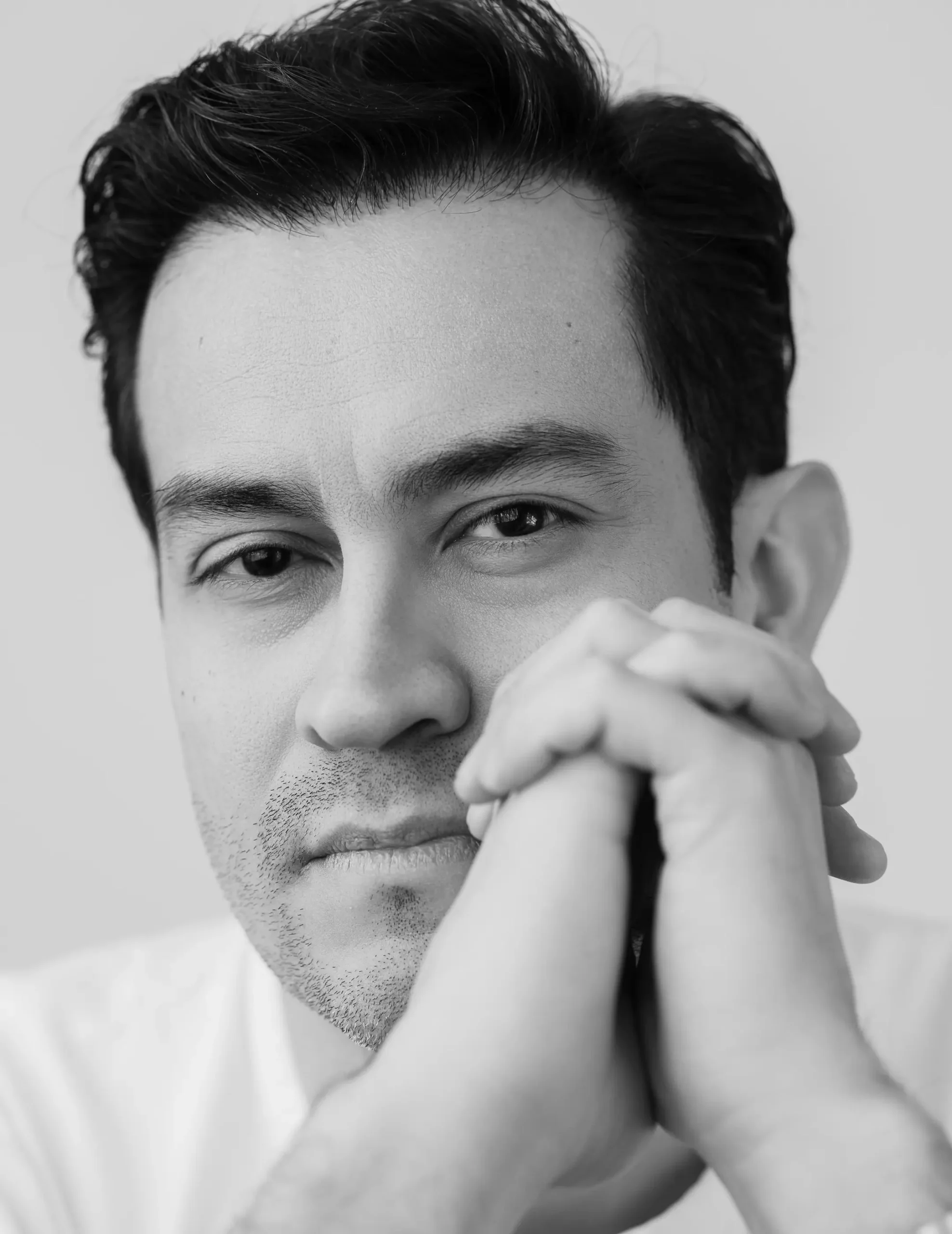
Born in Barquisimeto, Venezuela, Diego Matheuz is one of the most compelling conductors of his generation and embodies the human and social values of the celebrated El Sistema, founded by José Antonio Abreu. Raised musically playing the violin in the Simón Bolívar Youth Orchestra, Matheuz reached a key turning point in his artistic journey when Claudio Abbado, during a rehearsal in Seville, handed him the baton to conduct part of Tchaikovsky’s Fourth Symphony. From that moment on, Abbado embraced him as an artistic protégé and a trusted assistant, shaping his musical sensitivity and introducing him to the highest levels of international concert performance, including through their collaboration with the Orchestra Mozart in Bologna.
Over the course of his career, Matheuz has earned acclaim on the world’s most prestigious stages. At just twenty-six, he was appointed Principal Conductor of Teatro La Fenice in Venice, before going on to hold prominent roles such as Principal Guest Conductor of the Melbourne Symphony Orchestra and, starting in 2022, leading the Seiji Ozawa Music Academy in Japan, becoming the first principal conductor in the history of that prestigious institution.
The Venezuelan maestro had previously taken the stage at Teatro Massimo in 2011 conducting the Simón Bolívar Youth Orchestra, laying the groundwork for a relationship with the city of Palermo that now reaches its natural evolution.
Ufficio Stampa
Fondazione Teatro Massimo
Giovannella Brancato
stampa@teatromassimo.it